
Brooke Harwood volleyball, senior volleyball athlete at Casteel High School, has become a name many are searching right now. Known for her competitive drive and national-level aspirations, Brooke Harwood volleyball’s journey also highlights an important conversation in youth athletics – modern high school sports fundraising and how structured team fundraising programs can support competitive development.
How One Team Maximized Time, Energy, and Opportunity
When evaluating high school sports fundraising, coaches often ask a simple question:
Is there a way to raise meaningful funds without disrupting the season?
For one volleyball program at Casteel High School, the answer was yes.
Senior athlete Brooke Harwood volleyball recently shared her experience participating in a Fundraising University campaign: offering insight into how structured, time-efficient fundraising programs can support Brooke Harwood volleyball team development.
Her story illustrates how fundraising, when done correctly, can enhance both culture and opportunity.

Rethinking Traditional Team Fundraising
Many traditional school fundraising companies rely on product sales, extended timelines, and significant parent involvement.
Common challenges include:
- Time-consuming distribution
- Inventory management
- Weekend commitments
- Added pressure during season
For student-athletes balancing academics, practices, travel, and leadership responsibilities, these models can create unnecessary interference.
Modern sports fundraising solutions aim to minimize that friction.
A Structured, Time-Focused Approach
Brooke described her team’s fundraiser as centered around a live, after-practice event.
Key components included:
Brooke Harwood volleyball showed how effective fundraising can be for high school sports.
- Building a contact list
- Sending secure digital messages
- Watching live updates on a shared screen
- Team-based motivation and incentives
According to Brooke, she personally dedicated approximately 90 minutes total : including list-building and participation in the live event.
The team event itself lasted roughly one hour.
In her words:
“It was pretty quick and easy. It didn’t take a lot of time, but it was still fun.”
For programs exploring fundraising ideas for student-athletes, efficiency is critical.

Technology & Simplicity Matter
One of the themes Brooke emphasized was ease of use.
Rather than managing physical products or collecting cash, participants:
Brooke Harwood volleyball emphasized the importance of streamlined processes in fundraising.
- Entered contact information into a secure platform
- Selected recipients
- Sent messages with a direct donation link
Brooke noted that supporters understood the process clearly and that the system felt secure and straightforward.
For coaches researching fundraising programs, secure digital infrastructure is now a baseline expectation : not a bonus feature.
Competitive Energy Increases Participation
Athletes are wired for competition.
By incorporating a live leaderboard and periodic prize announcements, the fundraiser aligned naturally with team culture.
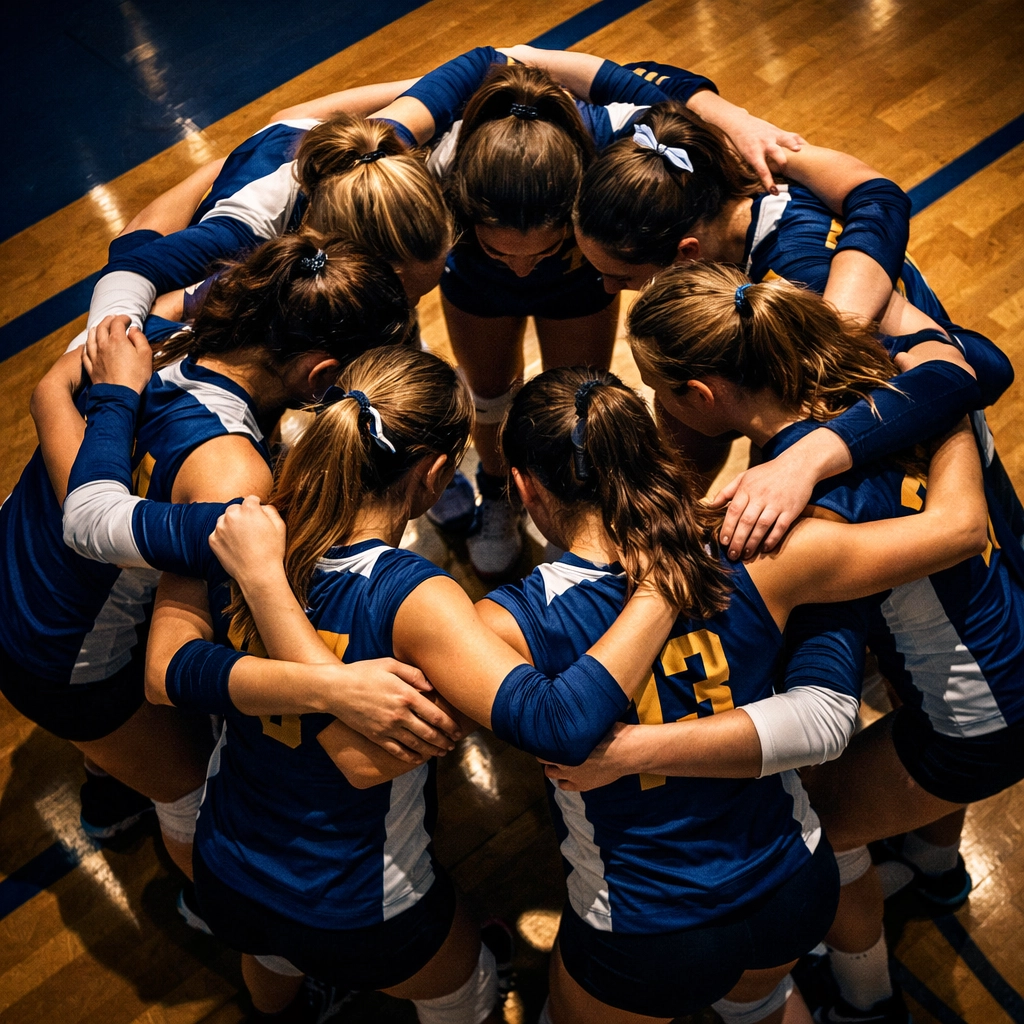
Brooke described teammates cheering as donations appeared in real time.
The contributions to Brooke Harwood volleyball’s team culture were significant.
Rather than fundraising feeling like a separate obligation, it became:
- Team-centered
- Motivational
- Engaging
This competitive structure can be particularly effective in team fundraising environments.
Historical Performance & Goal Setting
Fundraising University operates on a structured outreach model.
Historically, many programs using this approach aim for:
- Approximately 30 outreach contacts
- A portion of supporters contributing
- An average gift amount consistent with community giving standards
Brooke shared that she personally met her individual goal two consecutive years, and many teammates did as well.
Importantly, results vary by program, effort, and community engagement.
Brooke Harwood volleyball’s experience illustrates how important fundraising is for team success.
However, structured outreach models provide clarity and predictability compared to traditional sales-based fundraisers.
How Funds Supported Program Development
Based on Brooke’s account, funds raised supported:
- Travel to high-level tournaments
- Early-season competitive exposure
- Team bonding experiences
- Updated uniforms and travel gear
She explained that participation in events such as the Durango Classic in Las Vegas helped the team compete against strong national opponents early in the season.
From her perspective, those experiences strengthened preparation and cohesion.
In previous years, some program enhancements required greater parental contribution. This fundraiser helped shift more support to broader community involvement.
Fundraising as a Development Tool
Brooke’s volleyball journey extends beyond high school competition.
Brooke Harwood volleyball’s journey reflects the impact of effective fundraising strategies.
After transferring to Casteel High School to pursue higher-level competition, she:
- Trained in competitive club environments
- Attended National Team Development Program camps
- Participated in national team tryouts
She later earned a position on a national roster and competed internationally.
While fundraising did not directly create those opportunities, Brooke acknowledged that access to competitive tournaments and team resources contributed to overall development.
Brooke Harwood volleyball’s story inspires many young athletes.
When structured properly, high school sports fundraising can support the broader ecosystem that allows athletes to grow.
Why Modern Fundraising Programs Are Evolving
The landscape of youth sports continues to change.
Programs today face:
- Rising travel costs
- Equipment upgrades
- Facility fees
- Tournament entry expenses
At the same time, families expect professionalism, efficiency, and transparency.
Modern sports fundraising solutions prioritize:
- Time efficiency
- Digital systems
- Community-based outreach
- Minimal interference with academics and athletics
As Brooke noted, the total time investment for her participation was limited : but the impact extended throughout the season.
The impact of Brooke Harwood volleyball’s fundraising efforts cannot be understated.
Questions Coaches Should Consider
When evaluating fundraising programs for your team, consider:
- How much time does this require from athletes?
- How much disruption does it create in-season?
- Does it reduce or increase parent burden?
- Is the technology secure and simple?
- Does it align with team culture?
The goal is not simply to raise money : it is to do so in a way that strengthens, rather than strains, your program.
A Student-Athlete’s Final Perspective
When asked whether other programs could benefit from a similar structure, Brooke shared:
“Honestly, any program could benefit from this.”
Her experience reinforces a broader principle:
When fundraising respects athletes’ time and leverages structured systems, it can become an empowering part of the season : not a distraction.
Exploring High School Sports Fundraising Options
Brooke Harwood volleyball is a role model for aspiring athletes.
Every program is different. Results vary based on effort, participation, and community support.
However, structured digital outreach models are increasingly becoming a preferred alternative to traditional product-based fundraising.
Brooke Harwood volleyball’s fundraising journey is an example for others.
If your program is exploring new team fundraising options, evaluating modern, time-focused systems may be worth considering.
Because when fundraising supports preparation, professionalism, and opportunity : everyone wins.
Ready to learn how this model could work for your program? Schedule a conversation with Fundraising University to explore whether a structured, time-efficient approach aligns with your team’s goals this season.